

The best endings don't tie everything up; they leave a door slightly open for the reader to walk through.
Your first sentence is a handshake, a dare, and a promise all at once—here's how to make it unforgettable. Winterized

Great dialogue isn't about perfect grammar—it's about rhythm, subtext, and the things people don't say.
From Journal to Story: Turning Personal Experience into Fiction
What’s New

Every writer starts by copying someone—the trick is knowing when to put the training wheels away.
Learning to cut the sentences you love most is painful, but it's often the fastest route to a story that actually works.

Learning to cut the sentences you love most is painful, but it's often the fastest route to a story that actually works.
An unreliable narrator can transform a simple plot into a puzzle, but only if you plant the right clues and keep the reader invested.

An unreliable narrator can transform a simple plot into a puzzle, but only if you plant the right clues and keep the reader invested.
Not every scene needs to advance the plot; sometimes the most memorable moments are the ones where almost nothing happens.

Your own life is rich material, but transforming it into fiction takes more than changing a few names.
Your own life is rich material, but transforming it into fiction takes more than changing a few names.
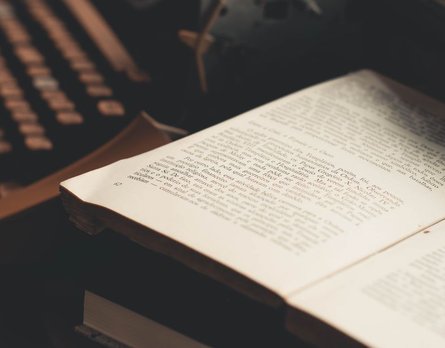
The best endings don't tie everything up; they leave a door slightly open for the reader to walk through.
The best endings don't tie everything up; they leave a door slightly open for the reader to walk through.

Your first sentence is a handshake, a dare, and a promise all at once—here's how to make it unforgettable.
Your first sentence is a handshake, a dare, and a promise all at once—here's how to make it unforgettable.
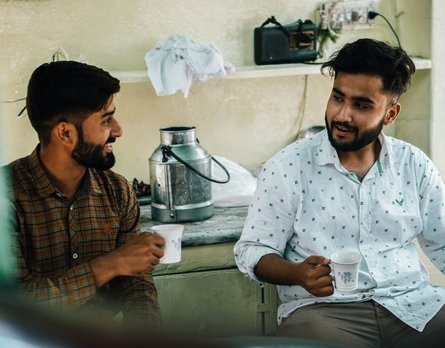
Great dialogue isn't about perfect grammar—it's about rhythm, subtext, and the things people don't say.
The best fictional worlds are felt before they are explained—here's how to let setting do the talking.

Every writer starts by copying someone—the trick is knowing when to put the training wheels away.
Great dialogue isn't about perfect grammar—it's about rhythm, subtext, and the things people don't say.

Learning to cut the sentences you love most is painful, but it's often the fastest route to a story that actually works.
Forget waiting for inspiration—here's how to build a sustainable writing practice that fits your real life.

An unreliable narrator can transform a simple plot into a puzzle, but only if you plant the right clues and keep the reader invested.
Every writer starts by copying someone—the trick is knowing when to put the training wheels away.
Your own life is rich material, but transforming it into fiction takes more than changing a few names.
Learning to cut the sentences you love most is painful, but it's often the fastest route to a story that actually works.
The best endings don't tie everything up; they leave a door slightly open for the reader to walk through.
An unreliable narrator can transform a simple plot into a puzzle, but only if you plant the right clues and keep the reader invested.

The best fictional worlds are felt before they are explained—here's how to let setting do the talking.
Great dialogue isn't about perfect grammar—it's about rhythm, subtext, and the things people don't say. February


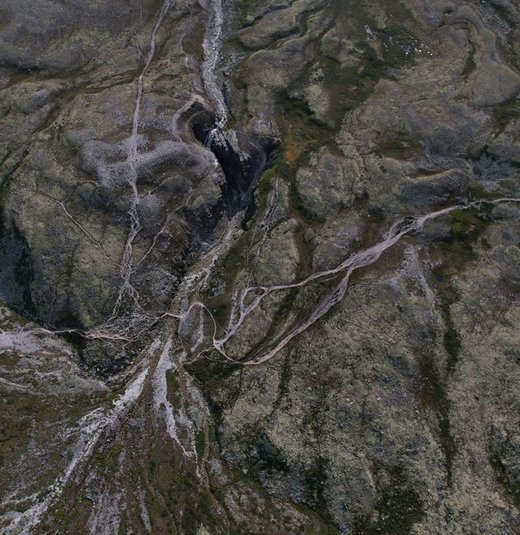

Learning to cut the sentences you love most is painful, but it's often the fastest route to a story that actually works.
An unreliable narrator can transform a simple plot into a puzzle, but only if you plant the right clues and keep the reader invested. Winterized

Worldbuilding
Cava producers are looking good penthouse


Don't Miss

Your own life is rich material, but transforming it into fiction takes more than changing a few names.
The Surprising Ret urn of a Forgotten

The best endings don't tie everything up; they leave a door slightly open for the reader to walk through.
Your first sentence is a handshake, a dare, and a promise all at once—here's how to make it unforgettable.



Latest News

Forget waiting for inspiration—here's how to build a sustainable writing practice that fits your real life.
Every writer starts by copying someone—the trick is knowing when to put the training wheels away.
Not every scene needs to advance the plot; sometimes the most memorable moments are the ones where almost nothing happens.
Worldbuilding
Learning to cut the sentences you love most is painful, but it's often the fastest route to a story that actually works.
Your own life is rich material, but transforming it into fiction takes more than changing a few names.

Writer's Life
An unreliable narrator can transform a simple plot into a puzzle, but only if you plant the right clues and keep the reader invested.
The best endings don't tie everything up; they leave a door slightly open for the reader to walk through.

Not every scene needs to advance the plot; sometimes the most memorable moments are the ones where almost nothing happens.
Your own life is rich material, but transforming it into fiction takes more than changing a few names.
Your first sentence is a handshake, a dare, and a promise all at once—here's how to make it unforgettable.

The best endings don't tie everything up; they leave a door slightly open for the reader to walk through.
Your first sentence is a handshake, a dare, and a promise all at once—here's how to make it unforgettable.
The best fictional worlds are felt before they are explained—here's how to let setting do the talking.

Storytelling Techniques
The best fictional worlds are felt before they are explained—here's how to let setting do the talking.
Great dialogue isn't about perfect grammar—it's about rhythm, subtext, and the things people don't say.
Top Stories



-
1250M +Followers
-
1250M +Followers
-
1250M +Followers
-
1250M +Followers

Writer's Life
The Surprising Ret urn of a Forgotten

An unreliable narrator can transform a simple plot into a puzzle, but only if you plant the right clues and keep the reader invested.
Not every scene needs to advance the plot; sometimes the most memorable moments are the ones where almost nothing happens.

Your own life is rich material, but transforming it into fiction takes more than changing a few names.
The best endings don't tie everything up; they leave a door slightly open for the reader to walk through.
Latest Videos

Storytelling Techniques
Your first sentence is a handshake, a dare, and a promise all at once—here's how to make it unforgettable.
Forget waiting for inspiration—here's how to build a sustainable writing practice that fits your real life.

Creative Process
The best fictional worlds are felt before they are explained—here's how to let setting do the talking.
Every writer starts by copying someone—the trick is knowing when to put the training wheels away.